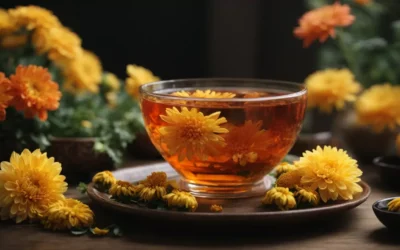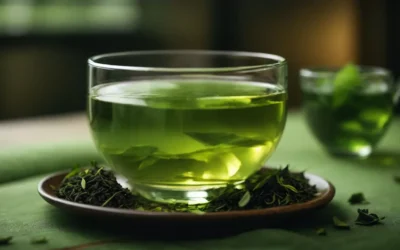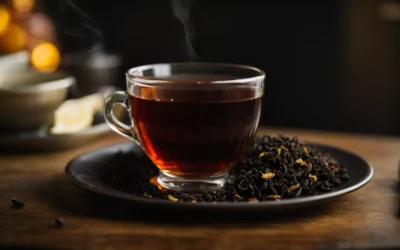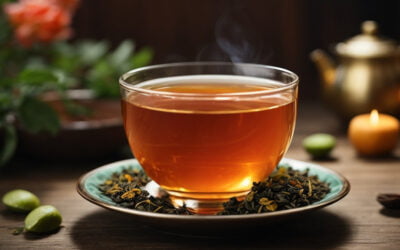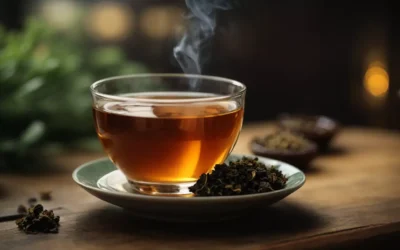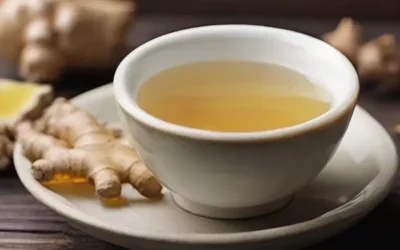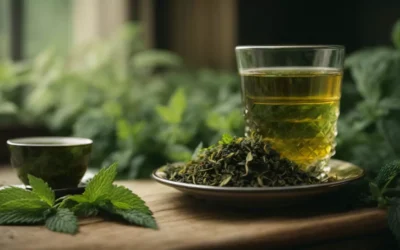

Tea is a beloved beverage enjoyed by people all over the world. With its rich history and diverse flavors, there are many different types of tea to explore. From black tea to herbal infusions, each variety offers a unique taste and set of benefits. In this section, we will delve into the different tea types and discover what makes them special.
Tea Type | Oxidation Level | Flavor | Caffeine Content | Health Benefits | Brewing Time |
|---|---|---|---|---|---|
Fully oxidized | Bold and robust | Contains caffeine | Supports heart health, Rich in antioxidants, Boosts energy | Longer | |
Unoxidized | Light and refreshing | Contains caffeine | Supports brain health, High in antioxidants, Boosts metabolism | Shorter | |
Minimal oxidation | Delicate and subtle | Contains caffeine | Supports skin health, High in antioxidants, Gentle on the stomach | Shortest | |
Partially oxidized | Balanced flavor | Contains caffeine | Supports digestion, Rich in antioxidants, Promotes weight loss | Precise | |
Not applicable | Wide range of flavors | Caffeine-free | Many health benefits, Soothes digestive issues, Promotes relaxation | Not applicable | |
Varies | Spiced and aromatic | Contains caffeine | Varies | Varies | |
Varies | Varied flavors | Caffeine-free | Varies | Varies | |
Varies | Varied flavors | Contains caffeine | Varies | Varies | |
Varies | Unique and rare | Contains caffeine | Varies | Varies |
As you can see, each type of tea offers its own distinct characteristics and benefits. Whether you prefer the boldness of black tea, the freshness of green tea, or the delicate flavors of white tea, there is a tea type to suit every taste. So go ahead, explore the world of tea and discover your favorite brew!
Black Teas
Black tea is a type of tea that undergoes full oxidation, resulting in a robust and bold flavor. Green teas and erh are popular varieties and styles. Erh tea is one of the most popular types of tea consumed worldwide. Let’s explore the characteristics and varieties of black teas.
Fully oxidized with robust flavor
Black tea, including popular varieties like erh tea, is distinct from other types of tea due to its complete oxidation process. This process, known as oxidation, involves exposing popular varieties of tea leaves to air, allowing them to fully react with oxygen. As a result, popular varieties of black teas, such as erh, have a darker color and stronger flavor compared to green or white teas.
Enjoyed with milk or sugar
While black tea, one of the popular varieties, can certainly be enjoyed plain, it is often consumed with milk or sugar for added richness and sweetness. The addition of milk creates a creamy texture and helps balance out the strong flavors of black tea, making it a popular choice for those who prefer a smoother taste. Sugar can be used to enhance the sweetness of tea flavor, making it a delightful treat for those who enjoy the taste of green tea leaves.
Popular varieties
There are several popular varieties of black teas that are well-known for their unique flavors and origins:
- Assam: Hailing from the Assam region in India, Assam black tea is known for its rich malty taste. It has a strong aroma and deep amber color.
- Darjeeling: Grown in the Darjeeling region of India, Darjeeling black tea offers a delicate and floral flavor profile. Often referred to as the “champagne of teas,” it has a light golden hue.
- Earl Grey: Earl Grey is a classic blend that combines black tea with aromatic bergamot oil, resulting in a citrusy and fragrant brew.
- English Breakfast: A staple morning beverage in many households, English Breakfast is a blend of several black teas known for its robustness and full-bodied flavor.
These are just a few examples among countless variations found around the globe, such as the tea plant, purple tea, boba tea, and tea bags.
Boldness and higher caffeine content
Black teas are renowned for their boldness and strength. They tend to have a more pronounced taste compared to other types of tea. Black teas generally contain higher levels of caffeine, making them a popular choice for those seeking an energy boost.
Black tea is perfect for starting your day or providing a pick-me-up in the afternoon when you need that extra jolt of caffeine.
Rich history and cultural significance
Black tea has a rich history dating back centuries. The tea plant, which includes purple tea and rooibos tea, was first introduced in China and later gained popularity in Europe during the 17th century. The unique tea flavor captivated people across continents. Today, black tea remains deeply rooted in various cultures around the world, each with its own unique traditions and customs associated with its consumption.
The Health Benefits of Black Teas
Black teas are not only delicious, but they also offer a wide range of health benefits. Here are some of the ways that black teas can positively impact your health:
- Heart Health: Black teas contain antioxidants called flavonoids, which have been shown to reduce the risk of heart disease. These flavonoids help to lower blood pressure and improve blood vessel function, promoting a healthy cardiovascular system.
- Digestive Health: Black teas have been used for centuries as a digestive aid. The tannins in black tea can help to soothe an upset stomach and relieve digestive issues such as diarrhea and nausea. Additionally, black tea has been shown to promote the growth of beneficial gut bacteria, which can improve overall digestive health.
- Mental Alertness: Black teas contain caffeine, which can help to improve mental alertness and focus. The combination of caffeine and an amino acid called L-theanine found in black tea can enhance cognitive function and promote a state of calm alertness.
- Immune System Support: Black teas are rich in antioxidants, which can help to boost the immune system and protect against illness. The antioxidants in black tea can help to fight off harmful free radicals in the body, reducing the risk of chronic diseases and supporting overall immune health.
- Oral Health: The polyphenols in black tea have been shown to have antibacterial properties, which can help to prevent tooth decay and gum disease. Black tea can also help to reduce bad breath by inhibiting the growth of bacteria that cause odor.
It’s important to note that while black teas offer many health benefits, moderation is key. Excessive consumption of black tea, especially if it’s heavily sweetened, can negate some of these benefits. Enjoying black tea as part of a balanced diet and lifestyle can help you reap its health rewards.
Green Teas
Green teas are a popular variety of tea that undergo minimal oxidation during the production process, resulting in a vibrant green color and a unique flavor profile. These teas are made from the leaves of the Camellia sinensis plant, just like black teas, but they are processed differently. Let’s explore some key aspects of green teas.
Unoxidized and Rich in Antioxidants
One distinguishing feature of green tea is that it is unoxidized, meaning the tea leaves are not allowed to undergo the same level of fermentation as black teas. This minimal oxidation process helps retain more natural antioxidants in the tea leaves, such as catechins and polyphenols. These antioxidants found in purple tea and rooibos tea have been associated with various health benefits and may help protect against oxidative stress and inflammation. The unique tea flavor of purple tea and rooibos tea adds to their appeal.
Delicate Flavor Profile
Green tea offers a delicate taste profile that can vary depending on factors such as region, growing conditions, and processing methods. The flavor of purple tea can range from grassy to nutty or even floral notes. This diversity in flavors makes green tea an exciting choice for those who enjoy exploring different taste experiences.
Common Varieties
There are several common varieties of green tea available on the market. Each variety has its own unique characteristics and origins:
- Sencha: Sencha is one of the most popular types of Japanese green tea. It has a grassy flavor with a subtle sweetness.
- Matcha: Matcha is a powdered form of green tea that is traditionally used in Japanese tea ceremonies. It has a rich umami flavor and vibrant green color.
- Gunpowder: Gunpowder green tea gets its name from its rolled leaf appearance resembling gunpowder pellets. It has a slightly smoky flavor.
- Jasmine: Jasmine green tea is infused with jasmine flowers during processing, giving it a fragrant floral aroma.
These are just a few examples among many other varieties available worldwide.
Potential Health Benefits
Green tea has gained popularity not only for its taste but also for its potential health benefits. The high antioxidant content in green tea has been linked to various positive effects on human health. Some of the potential benefits include:
- Boosted metabolism: Green tea may help increase metabolism and promote weight loss.
- Improved brain function: The caffeine and other bioactive compounds in green tea can enhance brain function and improve focus.
- Reduced risk of heart disease: Regular consumption of green tea has been associated with a lower risk of cardiovascular diseases.
- Anticancer properties: The antioxidants in green tea may help protect against certain types of cancer.
White Teas
White teas are a unique and delicate type of tea that undergoes minimal processing. They are made from young leaves and buds, which results in their light and subtle flavor profile. These teas often have notes of sweetness or floral undertones, making them a popular choice among tea enthusiasts.
Minimal Processing and Delicate Flavor
Unlike other types of tea, white tea is not heavily oxidized or rolled. Instead, it is simply withered and dried after being harvested. This minimal processing allows the natural flavors of the leaves to shine through. The result is a brew that has a light body and a delicate taste.
Popular Varieties: Silver Needle and Bai Mu Dan (White Peony)
Two well-known varieties of white tea are Silver Needle and Bai Mu Dan, also known as White Peony.
- Silver Needle: This variety consists solely of young tea buds covered in fine silvery-white hairs. It is considered one of the highest grades of white tea due to its exquisite appearance and delicate flavor.
- Bai Mu Dan (White Peony): Bai Mu Dan includes both young leaves and buds, resulting in a slightly stronger flavor compared to Silver Needle. It has a slightly fuller body with hints of sweetness.
Both Silver Needle and Bai Mu Dan are highly regarded for their quality and are often enjoyed for their nuanced taste experience.
Low Caffeine Content
If you’re someone who prefers to limit your caffeine intake, white tea may be an excellent choice for you. Among all true teas, white tea contains the least amount of caffeine. This makes it a suitable option for those looking for a soothing cup without the jitters or sleep disturbances associated with higher caffeine levels.
Pairing Possibilities
The subtle flavors found in white teas make them versatile. Due to their delicate nature, they can complement lighter dishes such as salads or seafood. The floral undertones found in white teas can be a delightful accompaniment to desserts like fruit tarts or macarons.
Antioxidant Benefits
Like other types of tea, white tea is rich in antioxidants that can benefit your overall health. These antioxidants help fight against free radicals in the body and may contribute to reducing the risk of chronic diseases. Incorporating white tea into your daily routine can be a simple way to boost your antioxidant intake and support your well-being.
Oolong Teas
Oolong teas are a unique and fascinating category of tea that falls between green and black teas in terms of oxidation level. This means that oolong tea undergoes a partial oxidation process, which gives it a distinct flavor profile. The degree of oxidation and the processing techniques used play a crucial role in determining the taste and aroma of oolong teas.
One of the remarkable aspects of oolong tea is its wide range of flavors. Depending on factors such as the specific type of oolong and how it was processed, these teas can offer a diverse array of flavors. Some oolongs have fruity notes, while others exhibit roasted or floral characteristics. This variety makes exploring different types of oolongs an exciting journey for tea enthusiasts.
Famous Oolongs
There are several famous varieties of oolong tea that have gained popularity worldwide. Let’s take a closer look at some notable examples:
- Tie Guan Yin (Iron Goddess): This is one of the most renowned Chinese oolongs, known for its delicate yet complex flavor profile. It often has floral undertones with hints of orchid and a sweet finish.
- Da Hong Pao (Big Red Robe): Originating from the Wuyi Mountains in China, Da Hong Pao is highly regarded for its rich and robust taste. It often exhibits strong mineral notes, along with a deep roasted flavor.
- Dong Ding Oolong: Hailing from Taiwan, Dong Ding Oolong is beloved for its smooth texture and exquisite aroma. It typically offers a balance between fruity and roasted flavors, creating a harmonious drinking experience.
These are just a few examples among many other delightful variations within the world of oolong teas.
Flavor Profiles
The flavor profiles found in oolong teas can be quite diverse due to variations in oxidation levels and processing techniques. Here are some common flavor characteristics associated with different types of oolongs:
- Lightly Oxidized Oolongs: These teas tend to have a more delicate and floral taste, often reminiscent of fresh fruits or flowers. They offer a refreshing and subtly sweet experience.
- Moderately Oxidized Oolongs: With a balance between green and black teas, these oolongs exhibit a wider range of flavors. They may possess notes of honey, caramel, or roasted nuts, providing a richer and more complex taste.
- Darkly Oxidized Oolongs: These teas undergo a longer oxidation process, resulting in deeper flavors. They can have pronounced roasted or toasted characteristics, sometimes resembling dark chocolate or even coffee.
The Health Benefits of Oolong Teas
Oolong teas offer a wide range of health benefits that make them a popular choice among tea enthusiasts.
- Boosts metabolism: Oolong tea contains polyphenols, which are antioxidants that can help increase metabolism. This can aid in weight management and promote fat burning.
- Improves heart health: Regular consumption of oolong tea has been linked to a lower risk of heart disease. The antioxidants in oolong tea can help reduce cholesterol levels and improve blood circulation.
- Supports digestion: Oolong tea has been used for centuries to aid digestion. It can help reduce inflammation in the digestive tract, relieve stomach discomfort, and promote healthy digestion.
- Enhances mental alertness: Oolong tea contains caffeine, which can help improve focus and mental alertness. It also contains theanine, an amino acid that promotes relaxation without causing drowsiness.
- Strengthens the immune system: The antioxidants in oolong tea can help strengthen the immune system and protect against common illnesses. Regular consumption may help reduce the risk of infections.
- Promotes healthy skin: Oolong tea is rich in antioxidants and vitamins that can help improve skin health. It can help reduce the signs of aging, such as wrinkles and fine lines, and promote a youthful complexion.
- Supports healthy bones: Oolong tea contains minerals like calcium and magnesium, which are essential for maintaining strong and healthy bones. Regular consumption may help reduce the risk of osteoporosis.
- Aids in stress management: The combination of caffeine and theanine in oolong tea can help promote relaxation and reduce stress levels. It can provide a calming effect on the mind and body.
It is important to note that while oolong tea offers these potential health benefits, it should be consumed in moderation as part of a balanced diet. It is always advisable to consult with a healthcare professional before making any significant changes to your diet.
Herbal Teas
Herbal teas, also known as tisanes, are a delightful and refreshing alternative to traditional teas. Unlike black or green tea, herbal teas are not made from the leaves of the Camellia sinensis plant. Instead, they are crafted from a variety of herbs, flowers, fruits, and spices. This diverse range of ingredients gives herbal teas their unique flavors and characteristics.
One of the great things about herbal teas is that they come in an array of flavors to suit every taste preference. Whether you enjoy something fruity, floral, or spicy, there’s bound to be an herbal tea that tickles your taste buds just right.
Chamomile tea is a popular herbal infusion known for its calming properties and delicate floral notes.
Peppermint tea offers a refreshing minty flavor that can help soothe digestion after a meal.
Hibiscus tea has a tangy and slightly tart taste profile that is both invigorating and thirst-quenching.
And let’s not forget about rooibos tea! This South African gem boasts a naturally sweet and nutty flavor that pairs well with milk or honey.
Apart from their delectable flavors, herbal teas are often enjoyed for their soothing or medicinal properties. Many herbs used in these infusions have been cherished for centuries due to their potential health benefits.
For example, chamomile has long been used as a natural remedy for promoting relaxation and relieving stress. Peppermint is known for its ability to ease digestive discomforts such as bloating and indigestion. Hibiscus has been linked to improved heart health due to its high antioxidant content.
One of the advantages of herbal teas is that they are naturally caffeine-free. Unlike traditional teas like black or green tea which contain varying levels of caffeine, herbal teas provide a great option for those looking to reduce their caffeine intake without sacrificing flavor or enjoyment. This makes them suitable for anyone, including children and individuals who are sensitive to caffeine.
Whether you want a warm cup of tea before bed or a refreshing iced beverage on a hot summer day, herbal teas can be enjoyed at any time without worrying about staying up all night.
To make an herbal tea, simply steep the desired herbs in hot water for several minutes. You can experiment with different combinations and ratios to find your perfect brew. Some people even enjoy blending herbal teas with other ingredients like matcha tea or spices to create unique flavor profiles. The possibilities are endless.
Caffeine-free Teas
Caffeine-free teas are a great option for those who want to enjoy a soothing cup of tea without the stimulating effects of caffeine. These teas naturally do not contain any caffeine, making them suitable for individuals who are sensitive to caffeine or prefer to avoid it altogether. Let’s take a closer look at some examples of caffeine-free teas and their benefits.
Herbal Teas
Herbal teas are one of the most popular types of caffeine-free teas available. They are made by infusing various parts of plants like leaves, flowers, and roots in hot water. Here are a few examples:
- Chamomile: Chamomile tea is well-known for its calming properties. It has been used for centuries as a natural remedy for relaxation and sleep support.
- Rooibos: Rooibos tea, also known as red tea, is native to South Africa. It has a naturally sweet taste and is rich in antioxidants, making it a healthy choice.
- Mint Infusions: Mint infusions such as peppermint or spearmint tea offer a refreshing and invigorating flavor. They can help soothe digestion issues and provide relief from bloating.
These herbal teas not only offer unique flavors but also come with their own set of health benefits. Many people find them particularly enjoyable because they can be enjoyed hot or cold depending on personal preference.
Benefits of Caffeine-Free Teas
Choosing caffeine-free teas can have several advantages:
- Relaxation: Since these teas do not contain caffeine, they can help promote relaxation without interfering with your sleep patterns or causing jitters.
- Improved Sleep: For those who struggle with falling asleep or staying asleep due to the stimulating effects of caffeine, switching to caffeine-free options can contribute to better quality sleep.
- Hydration: Tea is an excellent way to stay hydrated throughout the day. Caffeine-free teas provide a flavorful alternative to plain water, making it easier to meet your daily hydration goals.
- Antioxidants: Many caffeine-free teas, such as herbal and rooibos teas, are packed with antioxidants that can help protect your body from damage caused by free radicals.
- Digestive Support: Certain herbal teas, like chamomile and mint infusions, have been traditionally used to aid digestion and soothe stomach discomfort.
By incorporating caffeine-free teas into your routine, you can enjoy a variety of flavors while reaping the benefits they offer.
Chai Teas
Chai tea, also known as cha, is a spiced beverage that originated in India. It has gained popularity worldwide for its unique flavor and aromatic blend of spices. Let’s explore more about this delightful tea!
Aromatic Blend of Spices
Chai tea is typically made by infusing black tea with a variety of aromatic spices. The most common spices used in chai include cinnamon, cardamom, ginger, cloves, and black pepper. These spices come together to create a warm and comforting flavor profile that is both soothing and invigorating.
Warm and Comforting Flavor
One of the reasons why chai tea is beloved by many is its warm and comforting flavor. The combination of the robust black tea with the fragrant spices creates a harmonious balance that tantalizes the taste buds. The natural sweetness from the spices adds a pleasant touch without being overpowering.
Versatile Beverage Options
Chai tea can be enjoyed in various ways to suit different preferences. Traditionally, it is prepared with milk to create a creamy and indulgent beverage. This classic version of chai is commonly consumed in India and other parts of Asia.
For those who prefer a dairy-free option or are lactose intolerant, chai can also be enjoyed with non-dairy alternatives such as almond milk or soy milk. These variations still provide the same rich and velvety texture while accommodating dietary restrictions.
Moreover, chai lattes have gained popularity in recent years. They are made by combining steamed milk with brewed chai concentrate or powder mix. This creates a frothy and flavorful drink that can be enjoyed hot or iced.
Health Benefits
In addition to its enticing flavors, chai tea offers several potential health benefits due to its ingredient composition:
- Black Tea: Chai made with black tea contains antioxidants called polyphenols that may help protect against certain chronic diseases.
- Ginger: Known for its anti-inflammatory properties, ginger in chai tea may help reduce inflammation and support digestion.
- Cardamom: This spice has been traditionally used to aid digestion and may also have antioxidant properties.
- Cinnamon: Besides adding a delightful aroma, cinnamon in chai tea may help regulate blood sugar levels and improve heart health.
While these potential benefits are promising, it’s important to note that individual results may vary. It’s always best to consult with a healthcare professional regarding specific health concerns or conditions.
Enjoying Chai Tea
Chai tea can be enjoyed at any time of the day. Whether you’re starting your morning with a cup of warm chai latte or seeking an afternoon pick-me-up, this flavorful beverage is sure to satisfy your cravings.
Flavored teas
Flavored teas are a delightful twist on traditional tea varieties. They offer an exciting range of taste experiences by combining natural or artificial flavors with the base tea leaves during processing. Let’s explore the world of flavored teas and discover the unique flavors they have to offer.
Creation of Flavored Teas
The process of creating flavored teas involves infusing the base tea leaves with different flavor profiles. This is done by either adding natural extracts or using artificial flavorings during the production stage. By incorporating these additional flavors, tea producers can create a wide array of taste combinations that cater to various preferences.
Exploring Flavor Combinations
Flavored teas come in countless combinations, each offering a distinct and enjoyable sensory experience. Some popular examples include fruit-infused green teas, which combine the freshness of green tea with fruity notes like citrus or berries. Other options include vanilla-flavored black teas, where the rich and robust nature of black tea is complemented by a subtle hint of sweet vanilla.
Enhancing Taste Experience
One of the main attractions of flavored teas is their ability to enhance the taste beyond what is found in traditional teas. These added flavors provide an extra layer of complexity and depth to each sip, making for a more indulgent drinking experience. Whether you prefer floral notes in your Jasmine tea or the invigorating aroma of bergamot in Earl Grey, flavored teas offer something for everyone.
Popular Flavored Tea Varieties
There are numerous popular varieties. Let’s take a closer look at some well-loved options:
- Earl Grey: This classic flavored black tea features the distinctive flavor profile provided by bergamot oil. The citrusy essence adds a refreshing twist to traditional black tea.
- Jasmine: Known for its delicate floral aroma, Jasmine tea combines green tea leaves with jasmine blossoms during processing. The result is a fragrant and soothing brew.
- Fruity Blends: These teas combine the natural sweetness of fruits like berries, peaches, or oranges with different tea bases. They offer a vibrant and refreshing taste that is perfect for those who enjoy fruity flavors.
Exploring Tea Flavor Profiles
Flavored teas allow tea enthusiasts to explore a wide range of flavor profiles. From the invigorating coolness of peppermint to the warm and comforting notes of cinnamon, there is no shortage of options to suit every palate. Whether you prefer bold and robust flavors or subtle and nuanced ones, there is a flavored tea out there waiting to be discovered.
Rare Teas
Rare teas are highly sought-after varieties due to their limited availability or unique production methods. These teas, often treasured by tea enthusiasts, possess exceptional flavors, aromas, or historical significance. Let’s explore some examples of rare teas and understand why they are so special.
Yellow Gold Tea (Huangjincha)
Yellow Gold Tea, also known as Huangjincha in Chinese, is a rare and prized tea variety from China. It is produced using a unique processing method that involves carefully plucking the buds and leaves during the early spring harvest. The leaves are then meticulously hand-rolled into small golden curls before being gently roasted.
The result is a tea with a beautiful golden color and a delicate flavor profile. Yellow Gold Tea has a smooth and mellow taste with hints of sweetness and floral notes. Its aroma is often described as refreshing and soothing. Due to its limited production and exquisite qualities, this tea commands a higher price compared to other more common varieties.
Phoenix Single Bush Dan Cong
Another example of a rare tea is the Phoenix Single Bush Dan Cong from Guangdong Province in China. This tea is made from specific cultivars grown on single bushes rather than multiple bushes like most other teas. The leaves are harvested individually by experienced farmers who carefully select only the best quality leaves for processing.
Phoenix Single Bush Dan Cong has an incredibly diverse range of flavors that can vary depending on the specific cultivar used. Some common flavor profiles include honey orchid, almond, osmanthus flower, or even lychee fruit. Each cup offers a unique tasting experience that showcases the complexity and depth of this rare tea.
Gyokuro
Gyokuro is an extraordinary Japanese green tea that stands out for its vibrant green color and rich umami flavor. It is grown under shade for several weeks before harvesting, which enhances its unique characteristics. The shading process increases the chlorophyll content in the leaves, resulting in a vivid green hue and a distinct flavor profile.
When brewed, Gyokuro produces a bright green infusion with a smooth and velvety texture. It has a mellow sweetness and a refreshing vegetal taste, often described as having notes of seaweed or steamed greens. The careful cultivation and meticulous processing methods make Gyokuro one of the most highly regarded teas in Japan.
Rare teas like Yellow Gold Tea, Phoenix Single Bush Dan Cong, and Gyokuro are not only prized for their exceptional flavors but also for their historical significance. These teas have been enjoyed by tea connoisseurs for centuries and hold cultural importance in their countries of origin.
Loose Leaf vs Tea Bags
In conclusion, the blog post has explored a wide range of tea types, providing valuable information about each variety. From black teas to herbal teas, readers have gained insight into the different flavors and characteristics of these popular beverages. The comparison between loose-leaf and tea bags has also been discussed, highlighting the pros and cons of each option.
To further enhance your tea-drinking experience, consider trying out some rare teas mentioned in this post. These unique varieties offer a chance to indulge in exquisite flavors that are not commonly found. Exploring flavored teas can add a delightful twist to your daily cuppa.
Remember to pay attention to the brewing instructions for each type of tea to ensure optimal flavor extraction. Whether you prefer high caffeine content or caffeine-free options, there is a tea type suited for every taste preference.
Expand your knowledge by delving deeper into the world of tea. Research different brands and regions are known for producing exceptional teas. Experiment with various brewing methods and discover your own perfect cup of tea.
With this newfound understanding of tea types, you are now equipped to make informed choices when selecting your next brew. So go ahead, explore the vast array of flavors available, and embark on a journey through the wonderful world of tea!
FAQs
Which type of tea is best for relaxation?
If you’re looking to unwind after a long day or simply want to relax, herbal teas are an excellent choice. Chamomile tea is widely known for its calming properties and can help promote sleep. Peppermint tea is another great option as it aids digestion while providing a soothing effect on the mind and body.
Can I drink green tea to boost my metabolism?
Yes! Green tea contains catechins and caffeine which have been shown to increase metabolism temporarily. However, it’s important to note that the effects may vary among individuals, and drinking green tea alone won’t magically burn fat. For effective weight management, combine green tea consumption with a balanced diet and regular exercise routine.
Is it safe to consume multiple cups of black tea every day?
Absolutely! Black tea contains moderate amounts of caffeine but still falls within safe limits for most people when consumed in moderation. However, if you’re particularly sensitive to caffeine or have any underlying health conditions, it’s always a good idea to consult with your healthcare provider regarding your tea consumption.
How long should I steep different types of tea?
The ideal steeping time varies depending on the type of tea you’re brewing. Here are some general guidelines:
- Black Tea: 3-5 minutes
- Green Tea: 1-3 minutes
- Herbal Tea: 5-7 minutes
- Oolong Tea: 3-5 minutes
- White Tea: 2-4 minutes
Remember, these are just approximate recommendations, and you can adjust the steeping time based on your personal taste preferences.